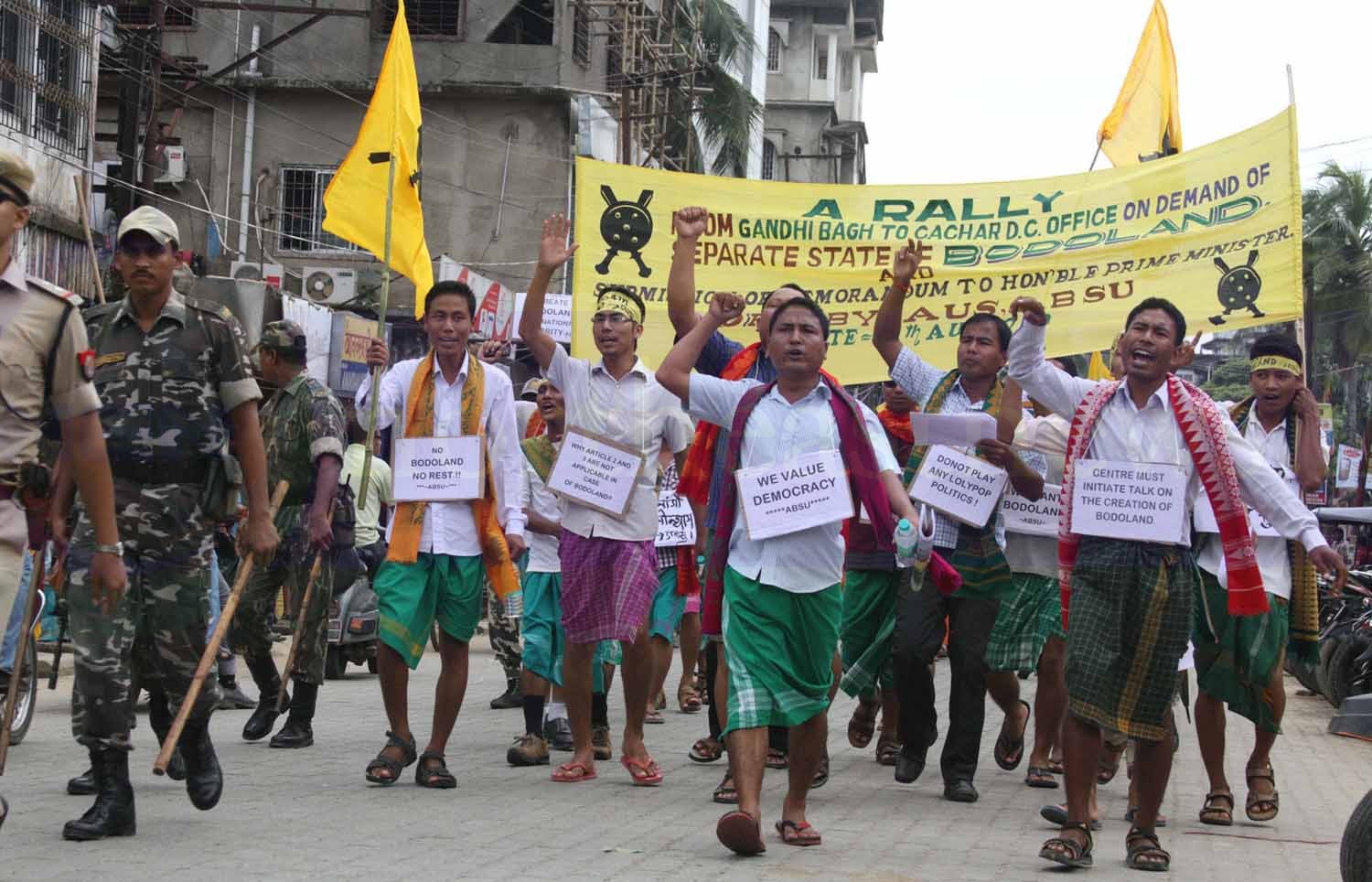
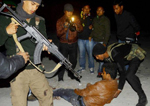
If history repeats itself, in ethnic-striven Assam it does so oftener than most other states. Anti-Hindi speaking violence in the state is not new. It first reared its head in 2003 when Bihari students were targeted by militant groups, mainly the National Democratic Front of Bodoland (NDFB). Then again in 2012, ethnic violence claimed lives and caused civil disturbances. So just when former deputy inspector general of police (DIG) special branch Khagen Sarma took over as the state director general of police (DGP) on January 17, the NDFB led by their leader Sangbijit stopped a night deluxe bus, selected some Hindi-speaking people, pulled them out of the bus, started firing indiscriminately and gunned down six persons on the spot.
Far from any remorse, the NDFB (S) claimed responsibility and through an email declared that they would not tolerate ‘illegal’ killings of Bodos and alleged harassment of members of the Bodo community at the hands of security forces during special combing operations.
“We too believe in humanity but some blind followers of Indian government are targeting common peace-loving Bodos leaving us no option but to retaliate. If the government continues their attack on Bodos, we will continue our retaliation,’’ a spokesman of the militant Bodo organization said. Interestingly, Sangbijit, the head of this Bodo militant group is not a Bodo himself; he belongs to the Karbi community and aims to set up a separate Bodo state or Bodoland.His brother is a self-styled commander in chief of Karbi millitant group.
Government officials say that these two brothers have now become a headache for the Assam government, which has declared Rs 10 lakh award on Sangbijit’s head. Says Narendra Chauhan of the Bhojpuri students union: “The Assam government has failed to maintain law and order. They should give us arms so that we can protect ourselves. This is not the first time that common innocents have been targeted.’’
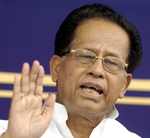
Chief Executive Member of the Bodoland Territorial Autonomus District (BTAD) Hagrama Mahiliary is an angry man. Taking on Sangbijit, he says that “The man is not a Bodo so he is trying to damage the image of Bodos. If he has guts then he should fight openly with the police and military or he should target me. This group is killing common peoplelike the barber, shopkeeper and the daily wage earners. These people are criminals, know nothing about politics and their main aim is to extort money by kidnapping, which is also their main source of raising funds.’’
DGP Khagen Sarma visited the Kokrajhar and Udalguri districts and says that combing operations will be started against NDFB (S) and Kamtapur Liberation Organisation (KLO). “Usually militant organizations are not friends by nature but when an operation is launched against one of them, help can be expected from the others. So, we will start a joint operation against these militant groups.’’
Other ethnic groupings within Assam have taken umbrage at this senseless violence which never seems to end. President of All India United Democratic Front (AIUDF) Badaruddin Azmol alleges that the state government is hands in glove with these groups. “The Congress government is helping these militant organizations continue with their agenda. They will see the results during the Lok Sabha elections. The Congress government led by Tarun Gogoi has no right to be in power because the attack on common people in the last 12 years has increased sharply.’’
This is one point which seems to unite other political groups as well. The BJP, for instance, says the state has no laid down policy to deal with these situations. “The Assam government has no specific policy to control law and order,’’ says Assam BJP president Sarbananda Sonowal. The parliamentary secretary of Assam’s home department Etuwa Munda says they are more than willing to take steps which could help. “The government is ready to accept every possible step to control the law and order situation in the BTAD area. We are even willing to repeal Operation All Clear which was started against the United Liberation Front of Assam (ULFA) and the NDFB in 2003. There are 12 CRPF companies, two BSF companies and 11 additional security forces which will begin operations against militants. We have provided adequate compensation by paying Rs three lakhs to the victim’s family.’’
 Notes prominent scholar Hiren Gohain: “The air is thick with accusations and counter-accusations, with the tribals growling against long-standing oppression and deprivation by the Assamese ruling class, and the Assamese bitterly denouncing the political ambitions and greed for lucre among the emerging tribal elite, forgetful of their own record.
There are a few sane voices pleading for reason, a democratic attitude and accommodation, but their voices seem lost in this wilderness. History, genuine and mythical, is quarried selectively to prop up each side’s argument, though events of two millennia ago cannot have much relevance on what is happening today.’’ Unfortunately that is a point which Assam’s warring groups and vote bank politicians refuse to see, much less acknowledge.