

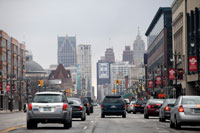
 When Detroit, the once-thriving Midwest American metropolis that gave birth to the nation’s auto industry, filed for Chapter 9 protection on July 18, it became the largest American city to ever declare bankruptcy. Michigan’s Republican Governor Rick Snyder termed it “as a last resort to return this great city to financial and civic health for its residents and taxpayers.” The filing listed more than 100,000 creditors and more than $1 billion in estimated liabilities, but the city’s appointed emergency manager says Detroit’s total financial responsibilities could be as high as $20 billion. The U.S. Bankruptcy Court filing represents perhaps the biggest body blow yet to a faded city that’s now home to barely 700,000 — down from a peak of 1.8 million during the auto industry boom years of the 1950s. According to a letter that Snyder wrote authorizing the bankruptcy filing, the city’s unemployment rate has nearly tripled since 2000 and is more than double the national average. The combination of lost auto industry jobs and rising crime rates prompted many middle-class whites and African Americans to flee Detroit over the past few decades. As a result, the city now has roughly 78,000 homes that have been abandoned. The homicide rate is at historically high levels, and the city has been named among America’s most dangerous for more than 20 years. Snyder’s letter says that an estimated 40% of the city’s street lights didn’t work in the first quarter of 2013 and Detroiters wait an average of 58 minutes for police to respond, compared with the national average of 11 minutes.
Because of the stakes involved, and Detroit’s future to stay in business, the case could be precedent setting in the federal judiciary. It could also set an important trajectory for the way troubled cities deal with shrinking populations, dwindling tax bases and large debts from municipal pension systems and government services.


Daily Indian Stories



MUST READ

“Failure should never...
Achal Bakeri, Chairman and Managing Director Symphony Limited, the...

You’ll be a...
F?@K Knows Why Our Education System tells everyone that...

Inventing ‘Backvertising’
While advertisers are reaching out to the consumers to...

The Power of...
This is the time for Indian brands to step...


