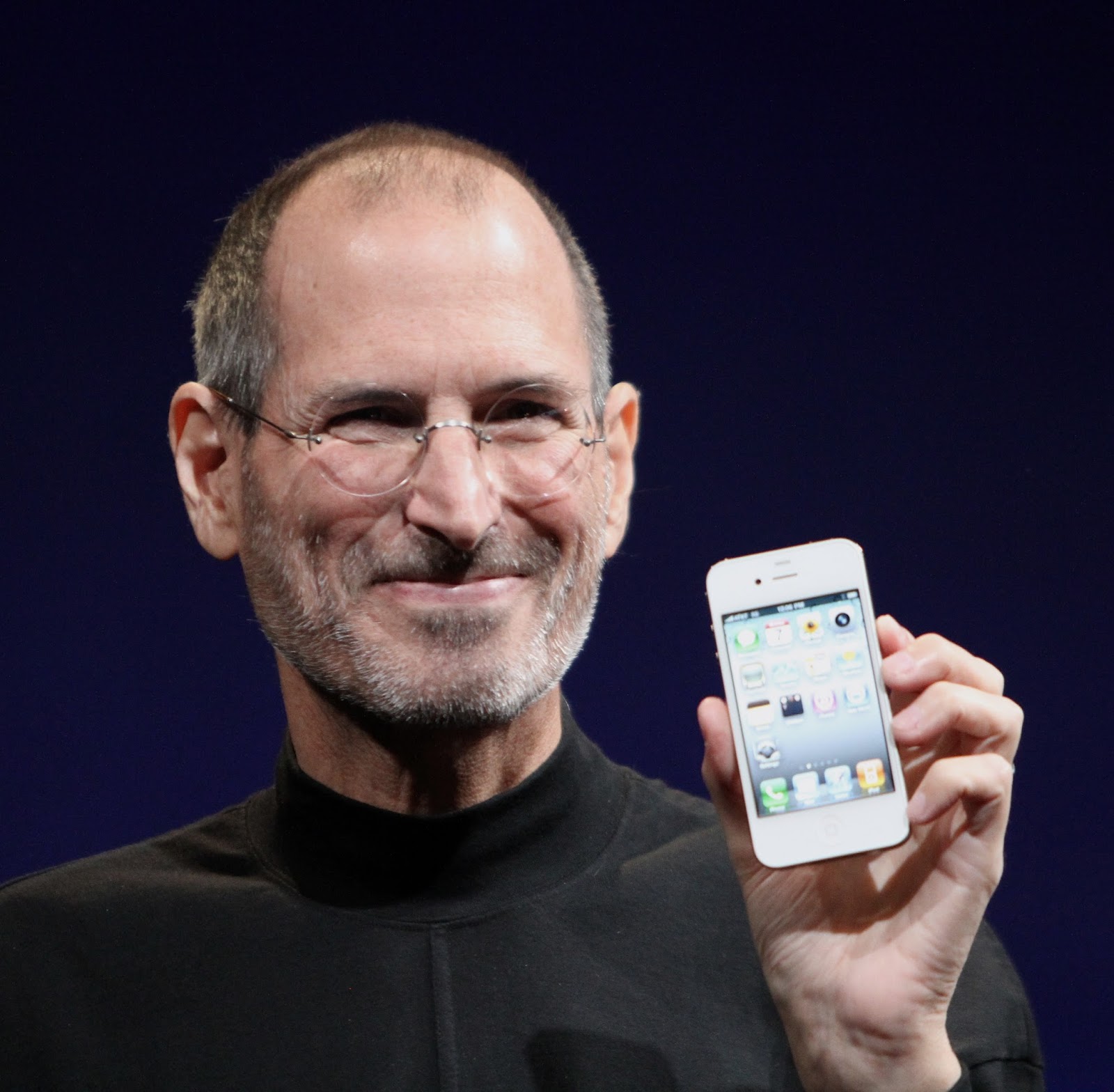
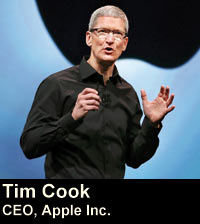
 Once upon a time, for the Indian consumer, things were quite different. Apple was something the good family doctor asked you to imbibe everyday; Blackberry was a fantasy that turned real for just a handful of tycoons and industrialists and Samsung was locked in a war with LG to become market leader in consumer electronics and white goods. When it came to phones, it was Nokia all the way with its then dazzling array of E-series and N-series handsets. Hard to believe now, but even till about 2007 and 2008, Nokia was the undisputed number one telecom brand in India with a commanding market share of more than 60%.
In a country where urban teledensity has already crossed the 160% mark, Gartner projects that India is expected to see sales of 251 million handset units by 2013; a growth of 13.5% yoy, and further to over 326 million units by 2016 (a CAGR of 9.1% in that time frame). Furthermore, the company expects India to surpass 1.2 billion units in sales by 2015. According to a report by Research & Markets, smartphone sales are expected to grow at a CAGR of around 60% to account for 25% of mobile device sales in India by 2015 (from 5% in 2011).
How rapidly things change in the ever changing world of brands and marketing warfare. Suddenly, it is Samsung that leads the pack with a market share nearing 38% (which can reach a whopping 60% by the end of 2012; Gartner) and the biggest surprise is Apple iPhone, virtually non existent in India till a few years ago, with a 16% market share according to IDC estimates. After a few years of wooing and wowing young Indian yuppies, Blackberry is fighting to survive. It opened up its gates on Blackberry’s premium messenger services in 2009, and also launched its latest endeavour in smartphone arena Blackberry Z10 with the updated BB10 OS for the youth and plans to bring in more handsets in 2013. Krishnadeep Baruah, Director-Marketing, RIM India, confirms, “We have not repositioned BlackBerry as a consumer product. We have been looking at the market very closely and our strategies are a response to changing market dynamics.”
Nokia too is desperately betting on the Lumia to light up its dwindling fortunes. Though late, better than never, Nokia is responding to the vastly grown up challenge. From a dominant 80% market share a few years back, it is now trying out every medium to connect with the youth. Be it advertisements for the Lumia 920, or signing up with Barcelona Football club in India in the second half of 2012, Nokia is fighting hard for inch of space. D Shivakumar, Senior VP, Nokia IMEA, says, “There have been number of instances at Nokia in the past, when things did not go as planned. But then you should always remember, bad times don’t last forever.”
We are of course talking about the smartphone segment of the mobile phone market. As the mobile market in the country starts to mature, both service providers and handset makers have realised that the future lies in moving up the value chain. There won’t be too many first time mobile phone users in the country. And the lower end of the market is flooded with Chinese imports that barely offer any profit margin. The way ahead is in wooing consumers with slightly deeper pockets and hoping you grab their attention as well as loyalty. Brand loyalty is no longer something that companies can rely upon, as constant changes in technology make young and aware consumers hungry for evermore at all times. There was time when young consumers used to swear by the N-series phones of Nokia. And then came a huge marketing effort from Blackberry that left Nokia way behind in the race for smartphones. Even before Blackberry could savour its success in India, Samsung unleashed the Galaxy series that seems to have swept away the young Indian buyer. Its third sequel is already out in the market [the Galaxy S4].
 When it comes to the smartphone space, BlackBerry is at no.3 with a 12.3% share (Q1, 2012), behind Samsung (40.3%) & Nokia (25.5%; Cyber Media Research). However, the space is still wide open and ranks could switch places quickly. In FY2011-12, both Micromax & RIM registered fall in revenues by 14% (to Rs.19.8 billion) & 25% (to Rs.14.6 billion) respectively.
Apple has always been the iconic and aspirational brand for an entire generation; but the price points were usually way beyond the budget of most Indian consumers. Into this huge gap entered a host of wannabe homegrown brands like Micromax, Karbonn and Lava that claimed to offer all that a smartphone has to offer at incredibly low prices. Effectively, these home grown brands have captured and dominated the market ever since at the lower end. In any case, Apple was considered to be a snooty brand that was simply not very interested either in the Indian market or in value-conscious consumers. It seemed happy with a limited set of dedicated deep pocket consumers who could afford to pay for the Apple experience and then brag about it. But something dramatic, remarkable and very Un-Apple like happened towards the end of 2012. And this has completely upended and transformed the smartphone market in the country.
Mainstream newspapers delivered at your doorstep usually had full page ads touting a new car brand, a new real estate project or a new consumer product. Suddenly, Apple took over the space and did something nobody believed Apple would do. It launched the mother of all EMI schemes to lure consumers to buy the expensive iPhone 5 and the iPhone 4 models. It tied up with a number of Indian banks offering credit cards and made an offer that many young consumers found really tempting. For example, for an iPhone 5 that could cost as much as Rs.55,000, Apple asks you to pay just about Rs.6000 upfront and pay the rest in 6 interest free installments through your credit card. It even tied up with other financial services companies to attract consumers who did not have credit cards. This one marketing gesture from Apple has completely upended the consumer market. According to estimates released by IDC, Apple was not even in the top five among smartphone brands in India till the end of quarter three in 2012. But thanks to that EMI scheme and a drastic reduction in the prices of older models, IDC reckons that Apple is now the number two smartphone brand in India in terms of sales and now commands a market share of about 16%.
Samsung, that was sitting pretty with an almost 44% market share till the end of the third quarter of 2012 has now seen its share slip to about 38%. Predictably, Samsung – which has been fighting legendary marketing as well as legal battles with Apple across the world in the race to be the number one global smartphone brand – was quick to react and hit back. Marketing executives in mainstream newspapers were delighted with an unexpected bonanza when Samsung and Apple decided to fight a new series of full page wars to woo consumers. So one day, your newspaper had a two full page ad that asked you to take an easy and cost effective EMI route to buy the Samsung Galaxy S-series phones. The next day, the same newspaper had a two full pages ad that peddled an attractive EMI scheme to buy the iPhone 5 and the iPhone 4 models. Till this magazine was sent to print, there seemed no end to this full page ad wars.
 According to industry reports, the other two players Blackberry and Nokia too have realised that they have no option but to follow the aggressive tactics adopted by Samsung and Apple. The new Z10 model on which Blackberry is betting its future and the new Lumia model on which Nokia is relying for a revival in fortunes will soon be available through attractive EMI schemes. But then, going by the rate at which technology changes in this field, don’t be surprised if the brand pecking order in the smart phone market has changed yet again by the end of this year!
Not missing out, the Indian homegrown brands like Karbonn and Micromax who largely bank upon their distribution channels to compete in the smartphone war, are fighting hard to expand their respective market shares with their competitively priced smartphones. Micromax has reached to no.3 position in the overall handset market share in India and is now targeting the no.2 spot by giving a serious look to the replacement market. Rajesh Agarwal, Co-founder, Micromax opines, “The customer today is not loyal to any brand. The Indian industry is not just about the price, but about the innovations and the rather unique proposition that you can offer to customers.” Tough task ahead for all. Isn’t it?