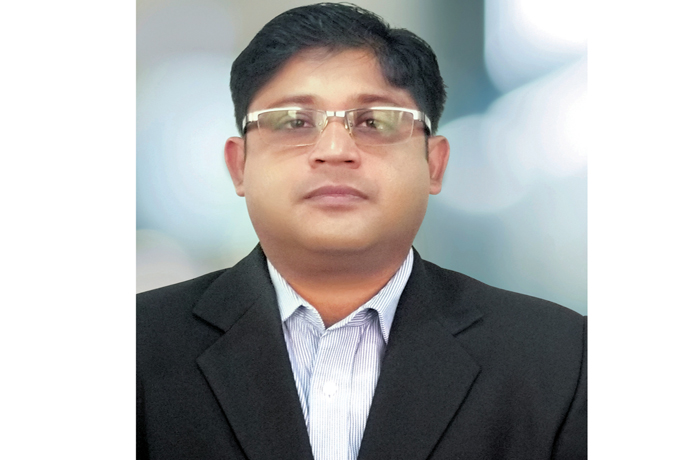
What are your most powerful leadership techniques ?
Nilendu Mitra : I am a firm believer in the Participative style of leadership. This involves keeping the team informed about everything that affects their work and sharing decision making and problem solving responsibilities with them.
Having said that, I see my role as a leader is to primarily bring ‘clarity to the complex’ and create the focused attention necessary in others to collectively move toward a common goal. This process starts with envisaging the future before dealing with the present.
I am a fan of the legendary Steve Jobs who created “simplicity and clarity” for Apple when it had started to lose its way. Simplicity is a brand virtue which most Apple consumers take for granted today.
Like other great leaders, Jobs focused on three key elements that are critical to ensuring that the message and guidance he was providing would be easily understood and acted upon:
-He focused on what was relevant.
-He inhibited everything else.
-He created a working memory.
Aristotle once said -the hardest victory is the victory over self.
What are the self-mastery secrets that make you the world class leader that you are?
Leadership is all about doing but success in not guaranteed. I cherish and nurture the courage in me to accept and confront my own and others’ imperfections.
What according to you is the one most important quality of a leader ? Why ?
A great leader is neither a crystal gazer or a sooth sayer for sure. Leadership is I believe, about getting things done the right way. The foundation of this rests solely on the leader’s ability to motivate by energizing, encouraging and exhorting his teams and people . From militaries to universities, businesses to social service agencies, all have been built upon a foundation of employees /followers who are motivated to serve the organization.
Can we teach people to become better leaders ?
Leadership is a behavior; it is how to be, not how to do. It is a way of thinking if you may say so and yes it can be fostered.
How important is team work in achieving success? What is the secret to building a strong and efficient team?
Team work ( or coloration)fosters a sense of connection and belonging and is the secret of higher productivity. The secret mantra to build a great team lies in the ability of the leader to implement a culture of ownership and trust which values the unique abilities of each team member and integrates all of them into a coordinated plan of action to achieve the organizational goal.
What are the most important day to day habits that help you get the maximum out of the day? Your secret of effective time management ?
Focus and planning.
The motivation secrets of a leader-how do you inspire and sustain motivation?
My efforts are singularly focused on creating conditions in which my team can self motivate themselves. I believe, motivation comes from within, and we leaders need to give our people reasons to believe in both themselves and the organization for which they work. I lead from the front to articulate my management’s agenda so that my team is able to internalize it and own it.
What is the secret to handling failure effectively ?
Try and adapt an organizational culture that makes it safe to admit and report on failure. It is very difficult and needs a great deal of maturity from both leaders and their organizations to accept and learn from failures.
How do you prioritize work and life?
Try to cut out the unnecessary and practice a bit of time management.
Leaders you admire?
Steve Jobs
Your views on the leadership skills of the next generation of leaders?
In the knowledge economy , I envision the Next Gen leaders to be more like coaches who are focused in getting the best out of people and thereby creating and sustaining high performance cultures.
Best advice you can give to the future leaders
For the ever changing dynamic economic environment which is going to be the only constant, I strongly urge the new millennium managers to try and be the change catalyst and build skills to master the ability to be able to continually re-engineer and create new organisational paradigms.
 Try and adapt an organizational culture that makes it safe to admit and report on failure. It is very difficult and needs a great deal of maturity from both leaders and their organizations to accept and learn from failures.